
Key Note Speaker I: Liz Sampson
How can we get the message across to politicians and bureaucrats who plan health care services?
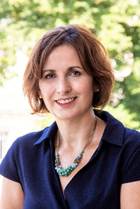
Liz Sampson is one of the leading voices on how to improve delirium care with a focus on «delirium lobbyism» at the hospital director level and above.
Liz Sampson is an inaugural chair in the Queen Mary University of London and Bart’s Health Academic Centre for Healthy Ageing (ACHA), leading on mental health, dementia and delirium. She is a liaison psychiatrist at the Royal London Hospital.
Her research focuses on the complex interfaces between physical and mental health, particularly in older adults and those who are frail, clinical studies of delirium and how this translates to policy influence.
She studied medicine at the University of Birmingham and gained her MD from the UCL Institute of Neurology. Liz is President Elect of the European Delirium Association and research lead for the UK Faculty of Liaison Psychiatry Executive Committee.
Key Note Speaker II: Robert D. Sanders
Network Dysfunction in Delirium
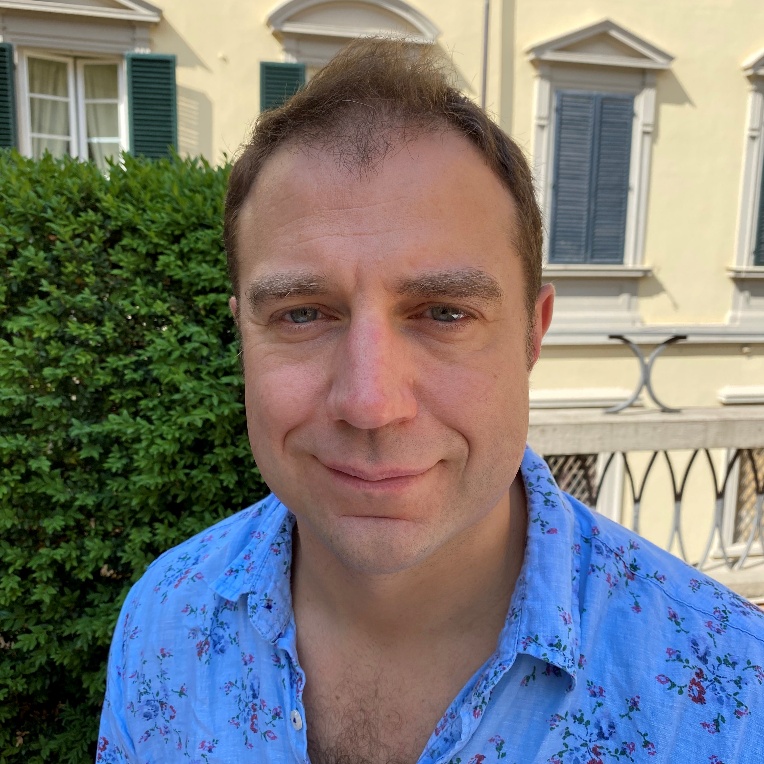
Prof Robert Sanders is the Nuffield Chair of Anaesthetics, University of Sydney; Academic Head of Department, Department of Anaesthetics, Royal Prince Alfred Hospital; a founding a member of the European Society of Anaesthesiologists Task Force on Postoperative Delirium; and an Executive Committee member of the Australasian Delirium Association (Research Working group co-lead).
He is passionate about understanding the pathophysiology of delirium with his work including animal models and translational phenotyping studies in patients (neuroimaging, EEG, plasma biomarkers). The resulting knowledge has driven clinical trials. He co-designed, recruited patients for and published the MENDS2 RCT in the New England Journal of Medicine. He currently leads an NHMRC Clinical Trials Cohort Scheme-funded multicentre clinical trial to define the role of dexmedetomdine in preventing postoperative delirium after cardiac surgery. More recently he has started the MRFF-funded NOTBADD perioperative non-cardiac surgery delirium-prevention platform pilot study. In a new direction, our group has pioneered novel Bayesian meta-analysis tools to allow us to synthesize evidence rapidly and clearly for consumers.